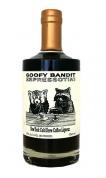
Tasting Notes: An Italian taste, a product that reflects traditions and the original procedure that have become the distinctive sign of a culture, a recipe true to itself since the beginning. A special mixture, of Arabica and... Read More
Tasting Notes: This pre-mixed cocktail offers a sophisticated profile defined by the assertive bitterness of gentian and cinchona bark, seamlessly integrated with the botanical depth of juniper and coriander. The mid-palate reveals... Read More
Tasting Notes: This vibrant rhubarb-based aperitivo offers a complex, alpine-inspired profile where the initial burst of tart, succulent rhubarb is balanced by earthy undertones of gentian and wild pine. Its palate is remarkably... Read More
Tasting Notes: This liqueur is made from an ancient recipe using fresh Lemon Verbena leaves harvested in the summer. Lemon Verbena, is an aromatic plant typical of the Mediterranean coasts. In ancient times it was used for its... Read More
This decadent liqueur from Fabrizia is made with real, light-toasted pistachios and real cream for an unmatched flavor. Use this in cocktails for a surprising nutty note, pour over gelato, or enjoy it chilled all on its own.... Read More
Tasting Notes:Italicus is initially reminiscent of high end triple sec, and can be used as such, however with further reflection and tasting reveals itself to be so much more complicated than a simple cocktail additive. Orange... Read More
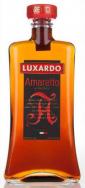
Tasting Notes: Well-rounded in taste, a fragrant aroma and a hint of vanilla in the end are all characteristics that distinguish Luxardo Amaretto. Brilliantly suited to use in classic cocktails such as Amaretto Sour it can also... Read More
Tasting Notes: Luxardo Espresso Liqueur is a traditional Italian liqueur obtained from a thirty-day infusion of a selected variety of fine coffees (Brazil, Columbia, Kenya), with the Arabica type predominating. Enjoy Luxardo Espresso... Read More
Tasting Notes: The Luxardo Maraschino Originale has a bouquet with bitter black cherry fruit that is wonderfully balanced. The color is clear. The palate is sweet and resonates with tastes of cherry compote and cherry preserves.... Read More
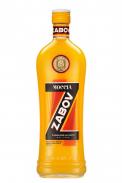
Tasting Notes: Talk about a name that rings out: If you’ve ever skied in the Italian Alps (and even if you haven’t), chances are you’ve heard of Zabov. This iconic egg liqueur, effectively a zabaglione in a... Read More
Tasting Notes: A raspberry liqueur made from wild raspberries grown in the mountains of Abruzzo. The basic raspberry liqueur recipe is taken up a notch with the addition of local blueberries and black currants, which combined... Read More